
Quick Overview
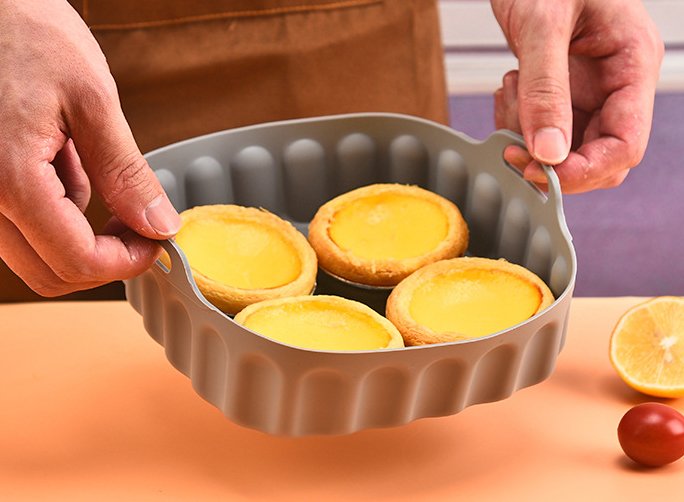
From flexible spatulas to air-fryer liners and baking mats, silicone has become the quiet hero of modern kitchens. Unlike plastic that warps, wood that absorbs odors, or metal that scratches non-stick pans, high-quality food-grade silicone combines heat resistance, durability, and easy cleaning in one material. This article explains what silicone is, how it compares to other materials, how to identify premium grades, and how to care for it—so you can cook confidently and safely.
Heat Resistance & Safety (LFGB/FDA)
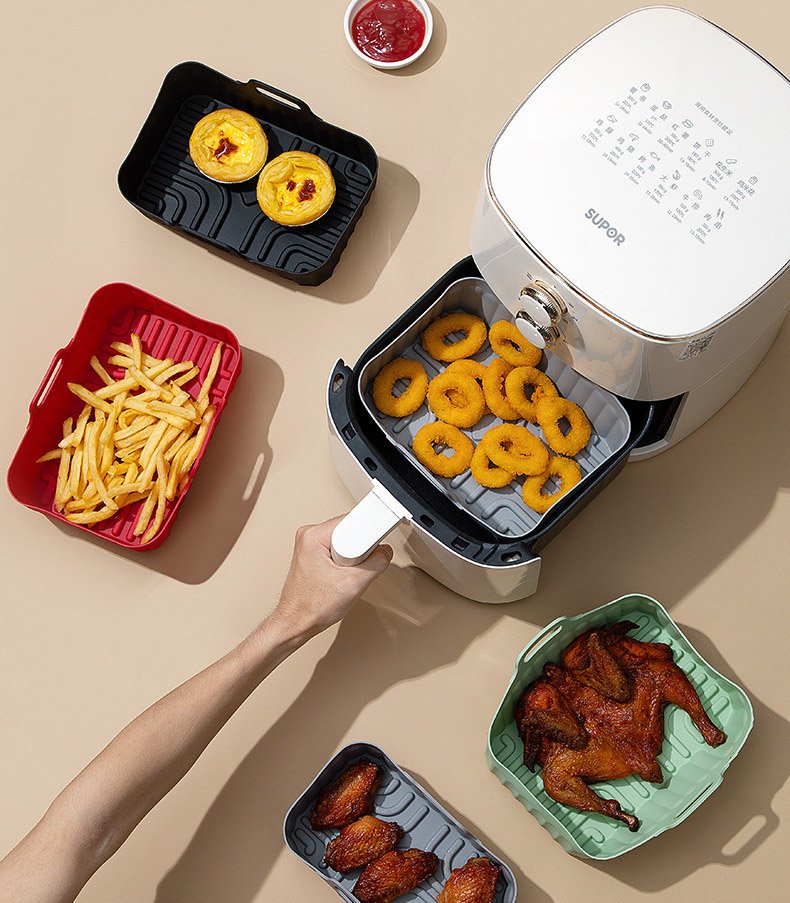
Typical working range: −40°C to 230–240°C. Premium silicone is BPA-free and chemically stable. Look for LFGB/FDA compliance and a printed temperature rating.
Non-Stick Performance & Pan Protection
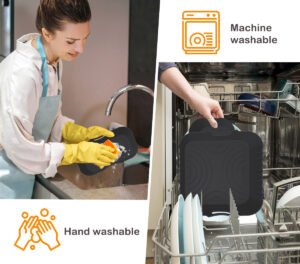
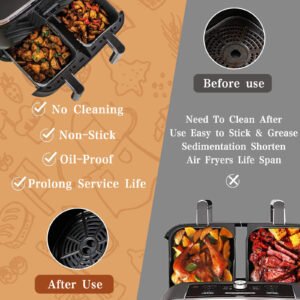
Baking mats, muffin cups, and air-fryer liners release food cleanly and protect non-stick, enamel, and stainless surfaces—less oil and faster cleanup.
How to Choose Quality Silicone
● Compliance shown: LFGB/FDA + temp rating
● No white “filler” streaks when stretched; uniform color
● Shore A: softer (20–40) for molds, firmer (40–70) for utensils
● One-piece or sealed-head designs for better hygiene
Care & Maintenance
Dishwasher-safe. For greasy film, scrub with a baking-soda paste. Avoid direct flame and knives; store flat or supported to keep shape.
Quick FAQ
Is silicone better than plastic?Yes—higher heat tolerance; won’t warp.
Do I need to grease silicone molds? Usually no; light oil helps with very sticky batters.
How long will it last?Many years with normal home use; replace if torn or heavily discolored.
Call to Action: Explore Guiyuan Silicone kitchenware or ask us about custom colors, sizes, and private-label packaging.